





Mobile App Development 28 Apr 2025
Why Custom Mobile Apps Give Your Business a Lasting Competitive Edge
Off-the-shelf mobile solutions are built to work for the average business. If your business is average, that is fine. But if your operations, customer relationships, or product are in any way distinctive — and most growing businesses are — then forcing your workflows into a generic tool means permanently constraining your potential to the ceiling someone else set for their average customer.
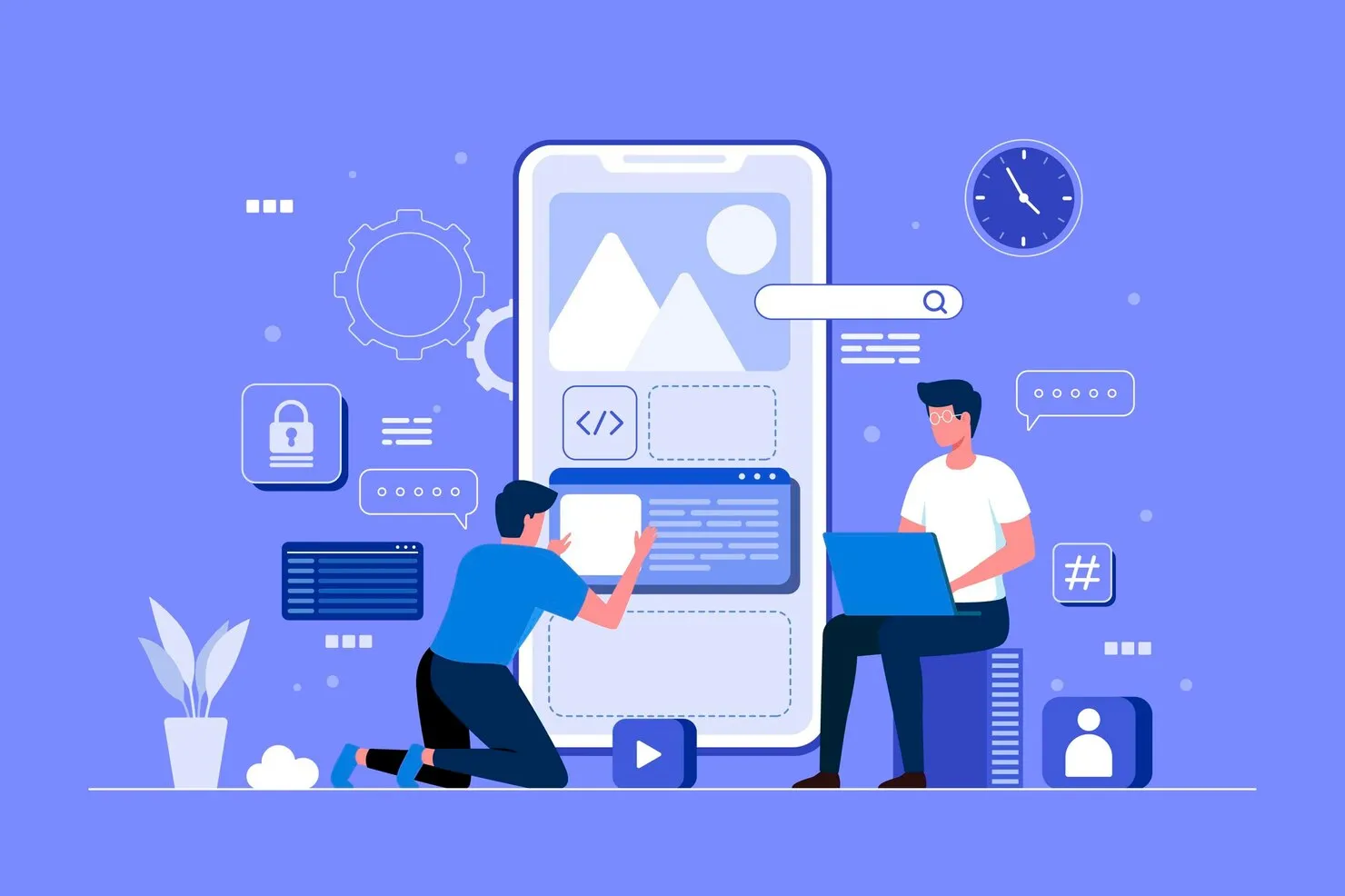
Custom mobile app development is not just about having a unique feature. It is about owning a platform that is built around your specific workflow, your specific users, and your specific growth trajectory. This article explains why the businesses that invest in custom mobile apps tend to pull ahead of competitors who are all using the same off-the-shelf tools.
The Problem With Off-the-Shelf Mobile Solutions
Generic mobile solutions are designed to appeal to the widest possible market. That means they are built around the most common use cases, with feature sets that satisfy the average user rather than serving any particular business exceptionally well. You end up paying for capabilities you never use and lacking the capabilities that actually matter to your operation.
- Forced workflow compromise: Your team adapts to how the app works rather than the app adapting to how your team works best
- Feature bloat: You pay for, maintain, and train your team on features that are irrelevant to your business
- Missing critical features: The specific functionality your business genuinely needs is often absent or requires expensive add-ons
- Identical to competitors: If you and your top three competitors are all using the same platform, none of you has a technology advantage
- Vendor dependency: Pricing changes, feature deprecations, and acquisition decisions made by your vendor directly affect your operations — without your input
What Custom Mobile App Development Actually Delivers
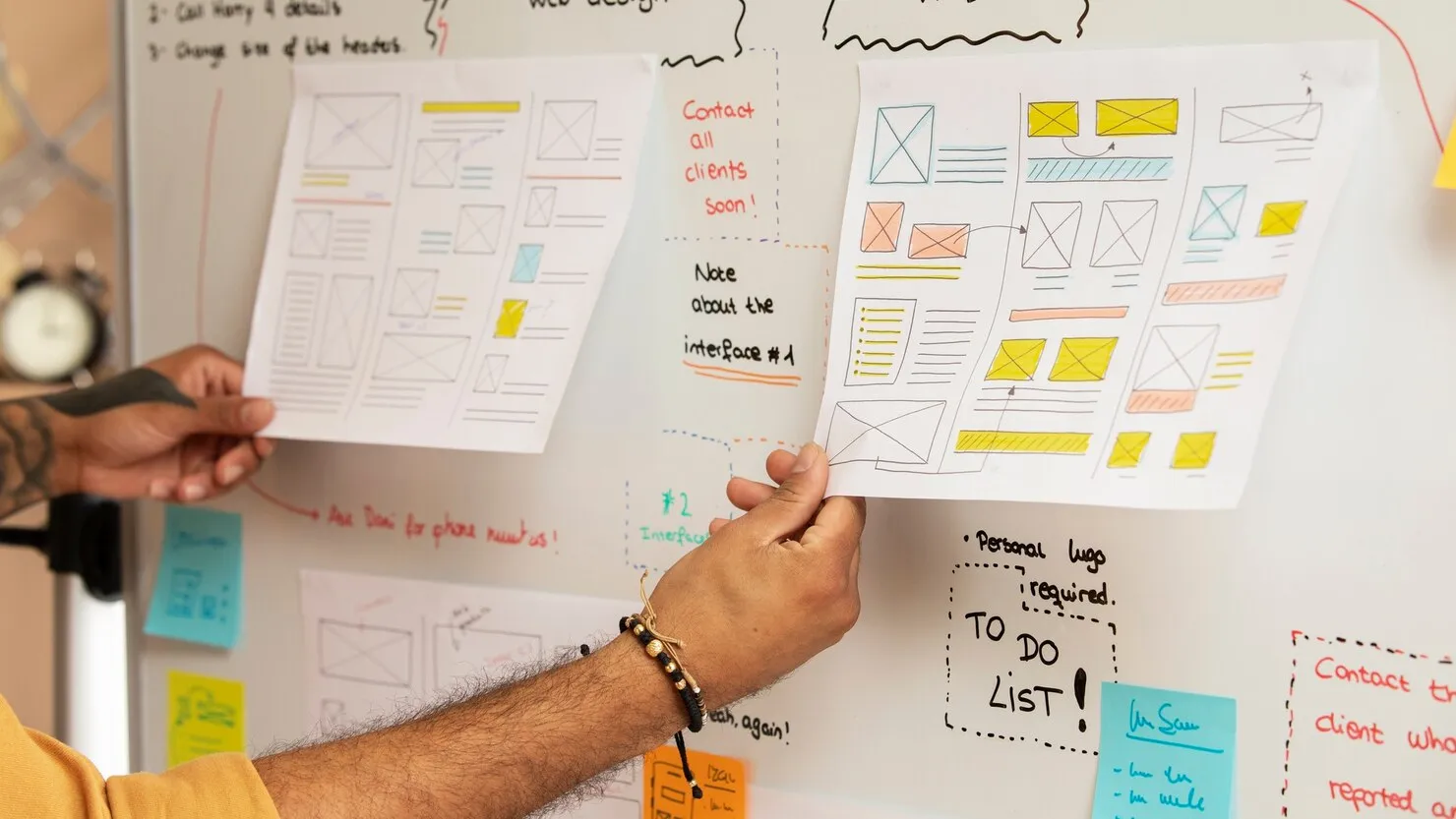
A custom mobile app is an asset that is built to serve your specific business — not a subscription to someone else's product. The practical differences compound over time in ways that are difficult to see on day one but become significant as your business scales.
- Built around your workflow: Every screen, every action, every data field is designed for the way your team or customers actually operate — not a generic approximation
- Native integration with your systems: Your CRM, ERP, inventory management, and internal databases connect directly — no export/import cycles, no data discrepancies between systems
- Brand experience fully controlled: Every pixel, every interaction pattern, and every piece of copy reflects your brand — not a vendor's design language with your logo applied
- Performance optimised for your data patterns: Queries, caching, and data loading are designed around your actual data structure and usage patterns, not generic defaults
- Full IP ownership: The app is yours. The code is yours. You are not dependent on a vendor's continued existence or goodwill
Custom Apps and Competitive Differentiation
The most durable competitive advantages are the ones that competitors cannot simply purchase and deploy. A custom mobile app, built around deep knowledge of your customers and your operational capabilities, is exactly that kind of advantage. Your competitors can copy your pricing. They can copy your marketing. They cannot easily copy a custom mobile experience that took years of iteration to get right.
- Unique features: Functionality designed specifically for your business model — a custom quoting tool, a specialised field service workflow, a proprietary recommendation engine — cannot be replicated by copying an off-the-shelf subscription
- Faster feature iteration: When you own the code, you can ship a new feature in days. When you are waiting on a vendor's roadmap, you wait quarters or years
- Data you own and control: Your customer behaviour data, usage patterns, and operational metrics belong to you — not your software vendor
- Experience tailored to your customer base: A user experience designed around your specific customer demographics and behaviours outperforms a generic experience every time
Total Cost of Ownership: Custom vs Off-the-Shelf Over Three Years
The upfront cost of custom development is higher than subscribing to an off-the-shelf solution. This is true and it is the right thing to acknowledge. But the total cost of ownership over three to five years often tells a very different story — particularly once you account for subscription costs that scale with users, the cost of workarounds for missing features, migration costs when you outgrow the platform, and the ongoing opportunity cost of operating with a tool that doesn't fit.
- Off-the-shelf over 3 years: Monthly subscription × 36 months + premium add-ons + per-seat costs as you grow + developer time for workarounds + eventual migration when you hit the ceiling
- Custom over 3 years: Higher upfront build cost + lower ongoing maintenance + zero per-seat cost at scale + full feature control + no migration ever
- The break-even point: For most businesses with 20+ users, custom apps become cost-competitive with off-the-shelf solutions within 18–30 months
- Beyond break-even: Every month after break-even, the custom app generates returns that a subscription never can — compounding advantage, not just cost parity
Conclusion
The question is not whether you can afford a custom mobile app. It is whether you can afford to keep operating with the constraints of a generic solution as your market evolves and your competitors invest in differentiated technology. The businesses that move first on custom mobile — while their competitors are still debating it — are the ones who establish the platform advantages that become very difficult to close later.
If you are ready to explore what a custom mobile app could do for your business, feel free to contact our team. We specialise in mobile app development solutions that deliver measurable results.
We hope this guide gives you the context to make a confident decision about where custom development fits in your technology strategy.